A garage door spring seldom fails without alerting. The problem is that the majority of people do not recognize the warning until the door is already stuck midway open, slamming closed, or declining to relocate in any way. By that point, what might have been a planned service telephone call becomes an immediate safety problem, frequently at the most awful possible time, early in the morning, late during the night, or during a hectic workday.
If you have ever heard a loud split from the garage and thought something fell off a shelf, there is a great chance a springtime release. I have seen home owners invest hours troubleshooting the garage door opener, changing batteries, resetting limits, and checking breakers, when the real trouble was a worn springtime that had actually just gotten to the end of its cycle life. A spring does the heavy training. The opener only guides the door. When the springtime compromises or breaks, the entire system goes out of balance.
Knowing when to arrange a garage door spring substitute comes down to a mix of timing, visible problem, door actions, and threat tolerance. The most effective time is usually prior to the springtime breaks totally, not after. That seems obvious, but it takes a little context to know what "previously" truly looks like.
Why the springtime matters more than most individuals realize
Garage doors are deceptively heavy. A conventional dual door can weigh a couple hundred extra pounds, and solid timber or shielded business designs can evaluate a lot more. Springs counterbalance that weight so the door can be raised smoothly by hand or with a garage door opener. When the springtime is doing its task, the door really feels regulated and fairly light. When it is not, every various other part of the system starts working harder.
That includes the opener, rollers, joints, cables, and tracks. In residential garage door repair, this pattern shows up at all times. A home owner calls because the opener is stressing, the remote response is inconsistent, or the door reverses for no noticeable reason. The origin frequently turns out to be a spring that is worn down and no more balancing the door properly. The opener is not falling short initially. It is compensating for a problem elsewhere.
In business garage door repair, the stakes can be also higher. A packing bay door with a tired springtime can interrupt shipments, produce downtime, and position a real risk to staff. Companies generally recognize the price of emergency failing much better than house owners do, which is why several industrial properties timetable service based upon wear and cycle matter instead of waiting on a breakdown.
The clearest indications that substitute must be arranged soon
You do not need to be a specialist to detect many of the usual warnings. Some are apparent, others are refined, however they often tend to show up in patterns.
- The door really feels much heavier than it utilized to, especially if you disengage the opener and try to lift it manually. The door opens a couple of inches and quits, or it starts to close and after that reverses. You hear loud standing out, squeaking, or an unexpected bang from the garage. The spring shows noticeable spaces, stretching, rust buildup, or deformation. The opener stress, jerks, or seems to be doing more work than normal.
A single signs and symptom does not always mean the spring should be replaced that day, but two or 3 with each other generally warrant a solution telephone call. A door that has come to be visibly larger is one of the best signs. Springs put on gradually, so house owners typically adjust without recognizing it. They push a little tougher, hold the wall surface button a little bit longer, or stop car park inside since the door is "breaking down." Those are not regular modifications. They are indicators the system is falling out of balance.
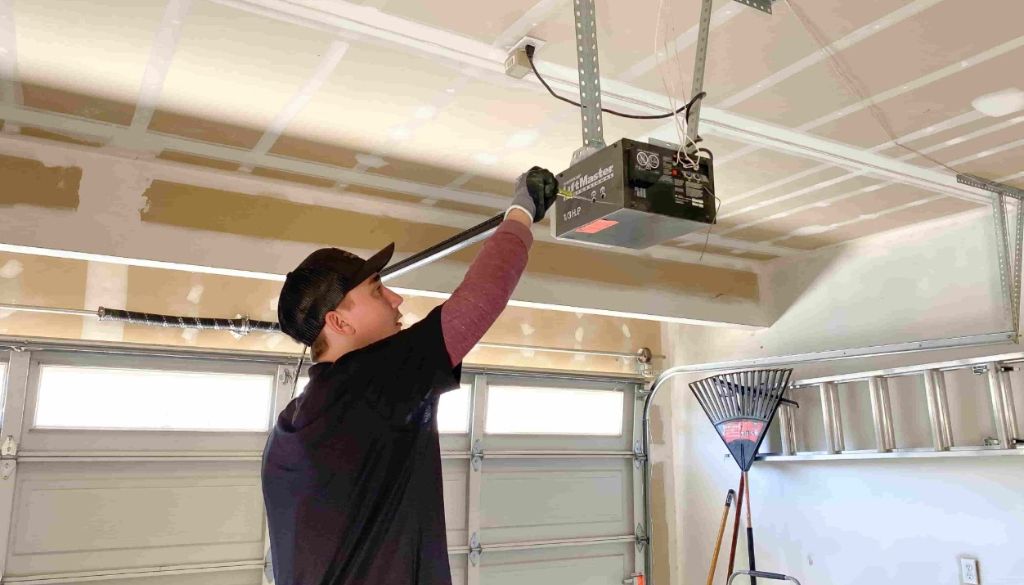
The timing inquiry most homeowners ask
The useful version of the question is not simply "when do springtimes break?" It is "when should I act if the door still functions?" That is where experience matters.
If the springtime is intact but the door is moving unevenly, making new noises, or putting tension on the opener, timetable replacement soon, ideally within days rather than weeks. If a springtime is visibly cracked, divided, or damaged, quit using the door and schedule solution quickly. If the door is hanging crooked or one side is lower than the various other, there might be a cable issue linked to the springtime failure, which changes the security picture.
Springs do not normally enhance with time. Once they are put on, they remain to shed stress. Temperature level swings can make the actions extra recognizable. Winter often reveals a weak spring because metal agreements and lubricating substances enlarge, so a low system that worked in light weather condition can start failing in winter.
I have likewise seen doors behave poorly during damp seasons, specifically when rust has actually been cheap fix garage door silently developing on the springtime coils. Rust enhances friction and can reduce the lifespan of the spring. If the spring has visible deterioration and the door is currently showing signs of discrepancy, waiting rarely saves cash. Regularly, it increases the chances of added damages to the opener or hardware.
How long garage door springs typically last
Most torsion springtimes are ranked by cycle life. One cycle is one complete opening and one full closing of the garage door. Standard springs are frequently rated around 10,000 cycles, though higher-cycle choices are offered. What that indicates in reality depends on just how frequently the door is used.
A home that opens and shuts the garage door 4 times a day might obtain roughly 7 years from a typical spring, give or take. A busy household utilizing it 8 times a day might cut that life expectancy virtually in fifty percent. Include climate, maintenance habits, door weight, and setup quality, and the exact timeline can differ a lot.
That is why age issues, however only as component of the image. If your springs are 8 to 10 years old and the door is your major entrance factor, replacement comes to be a positive discussion also if you have not had a complete failing yet. If they are only three years old but the door was improperly stabilized during garage door setup, the springs might currently be under irregular stress.
When a client informs me, "The door still opens, yet it appears rough and appears heavier than last year," and the springtimes are currently well right into their anticipated service life, that is usually the correct time to set up garage door spring replacement. It is much more regulated, easier, and frequently more economical than waiting on an emergency.
Broken spring versus weak spring
A damaged spring usually decides for you. The door will certainly not open appropriately, or it may not open at all. On a torsion springtime system, you can typically see a clear gap where the springtime has actually snapped. On expansion spring systems, the spring might hang or appear overstretched. In any case, the repair service is urgent.
A weak spring is trickier due to the fact that the door may still work. That is where individuals postpone also long. They think that if the door moves, the issue is small. Yet a weak springtime can damage the opener over time, particularly if the opener is compensating for extra weight everyday. A garage door opener is developed to move a well balanced door, not deadlift an unbalanced one.
You can think of a weak spring like a tire with a sluggish leakage. It is still technically useful, but every mile raises the opportunities of a bigger issue. For homeowners, that may imply getting entraped inside on a rushed morning. For a business, it may indicate an inoperable service entryway throughout operating hours.
Why changing both springtimes commonly makes sense
Many double garage doors use a pair of springtimes. When one breaks, the other might still be undamaged, but it has actually usually experienced the exact same variety of cycles and similar wear. Changing only the failed springtime can obtain the door working again, but it often leaves an older springtime in location that is not far behind.
This is just one of those judgment calls that relies on age and condition. If the springs were installed together and one has actually fallen short after years of solution, replacing both is typically the smarter option. The cost difference is typically a lot more convenient than spending for two different sees, and the door will be stabilized more regularly. It likewise reduces the opportunity of a 2nd failure in the near future.
On the other hand, if one springtime was replaced lately and the various other is still healthy, a professional might recommend replacing only the failed part. The factor is not to sell more parts. It is to match the repair strategy to the actual wear pattern.
The seasonal home window people overlook
Many house owners wait till the door quits working, yet there are much better seasonal windows for preventative service. Early fall is a good time since temperature level declines tend to expose balance troubles, and scheduling is typically simpler before wintertime weather increases emergency telephone calls. Spring can also be a functional time, specifically if the garage has actually undergone a cold season with little maintenance.
If you are currently planning residential garage door repair, changing aging springtimes before a tough winter or prior to a hectic summer traveling season is generally smart. Family members depend heavily on the garage when institution timetables, sports equipment, bikes, lawn tools, and vacation storage are done in movement. A springtime failing never really feels well timed, however it is specifically disruptive when the garage works as the home's primary entrance.
For commercial properties, the timing needs to comply with usage patterns more than the schedule. If a center has a door that cycles loads of times a day, springtime replacement should be tracked with service records and anticipated prior to peak failure risk.
What occurs if you wait as well long
The most prompt danger is safety and security. A failing springtime can cause the door to go down faster than expected or become uncertain in motion. That matters whether the door is above a vehicle, near a youngster, or component of a workspace with foot traffic.
There is also the devices cost. A having a hard time spring can shorten the life of the garage door opener, fray cables, wear out rollers, and throw the door out of alignment. What might have been a simple springtime replacement can turn into a larger garage door repair involving numerous components.
The trouble can be even worse than the expense. An entraped vehicle, a door stuck open over night, or a handicapped loading entry develops pressure that leads individuals to make hurried choices. Emergency situation service has its place, yet prepared service almost always gives you better options.
I have actually seen homeowners attempt to maintain a weak spring going by changing opener force settings. That is not a repair. It simply conceals the symptom while raising wear somewhere else. If the door balance is off, the spring system requires interest, not a more powerful press from the motor.
Repair or substitute of the entire door?
Sometimes spring substitute is all that is required. Other times, it makes sense to step back and ask whether the entire door system is nearing completion of its beneficial life.
If the panels remain in good condition, the tracks are sound, and the opener is reliable, replacing the springs is usually the appropriate step. It recovers safe procedure without the cost of a complete garage door setup. Yet if the door is older, badly shielded, nicked, rusting, or mismatched with the home's needs, spring failure can be the moment to take into consideration a wider upgrade.
That comes up typically in older homes where the door is undersized, noisy, or hard on the opener also after repair services. A brand-new door with the correct spring system, correct balancing, and a compatible garage door opener can significantly boost performance and decrease reoccuring service phone calls. Still, not every aging door needs replacement. A solid service technician ought to have the ability to inform you whether the springs are the primary concern or whether they are part of a larger decline.
What to do the day you suspect spring failure
The best feedback is usually basic, and restriction matters greater than improvisation.
- Stop running the door if it is jerking, knocking, or declining to raise normally. Keep individuals clear of the opening, particularly children and pets. Do not pull the emergency situation launch unless you understand the door's weight and position. Avoid trying to replace or wind the springs yourself. Call a certified garage door repair professional and explain what changed.
That advice might sound careful, but it is earned caution. Springs shop substantial energy, and the devices and training required to manage them securely are not optional. Many house owners are comfortable with basic maintenance, such as lubricating rollers or altering remote batteries, however spring work falls into a different category.
If the garage is your only way to relocate a vehicle, describe that when you call. Several solution firms prioritize doors that are capturing a cars and truck inside or leaving the home unsecured.
The diy temptation
A lot of house owners are capable and functional, and several home repair work are worth finding out. Garage door spring replacement is not one I casually advise as a DIY project. The risk is not theoretical. Incorrect winding, bad device control, incorrect spring sizing, or unsafe equipment can create serious injury and significant home damage.
Even past safety and security, sizing matters. Springs need to be matched to the door's weight, elevation, and track configuration. A springtime that is as well strong or too weak can develop a various collection of issues, consisting of poor balance, opener pressure, and early wear. I have seen doors with fresh springtimes that still would not remain midway open since the wrong parts were set up. The home owner had saved the service charge just to spend for correction afterward.
A specialist should check the whole system throughout the repair service, not simply switch springtimes. That consists of cords, bearings, facility brackets, drums, rollers, and opener settings. A door that damaged a springtime may likewise have actually hidden wear elsewhere.
Questions worth asking prior to you schedule
The high quality of the replacement matters nearly as long as the timing. Not all spring tasks are equal. If you are arranging service, ask what cycle score the brand-new springtimes will certainly have, whether both springs must be replaced, whether the door will be completely balanced after setup, and whether the professional will inspect associated hardware.
For a home with constant garage use, updating to higher-cycle springtimes can be a wise lasting decision. The in advance distinction is commonly small compared with the trouble of one more replacement a few years down the road. For businesses, that computation is also more clear, given that downtime is expensive.
It is likewise worth asking whether the opener setups will be tested after the springs are installed. An appropriately well balanced door must relocate smoothly, and the opener must not sound like it is laboring. If the system was stressing in the past, the adjustment after fixing must be noticeable.
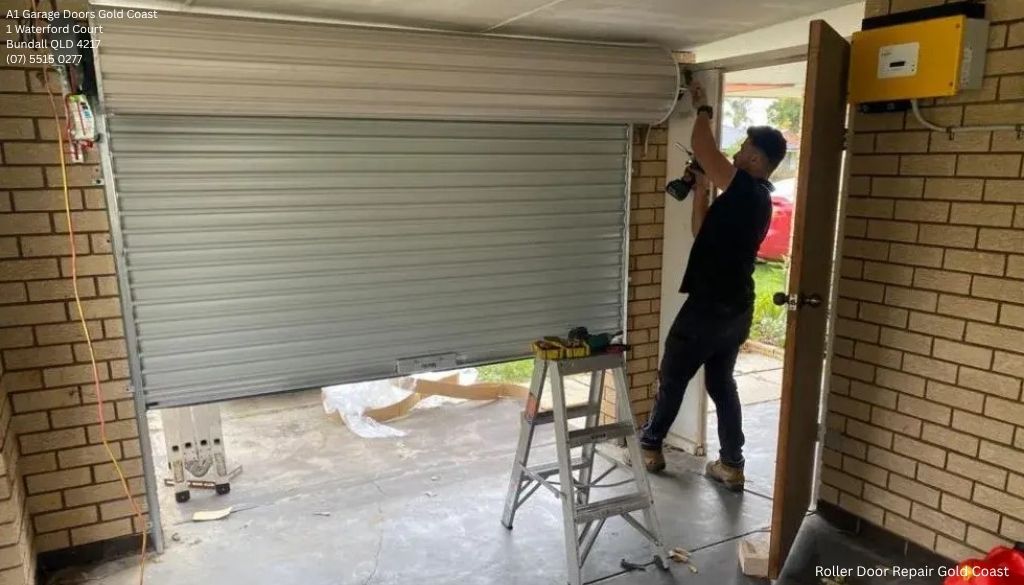
A sensible regulation of thumb
If your garage door spring is damaged, noticeably damaged, badly rusted, or triggering the door to become hefty and unpredictable, schedule replacement right now. If the springtimes are a number of years into normal use and the door is your primary access factor, do not wait on failure to force the problem. Aggressive replacement is generally the much safer and extra economical move.
That is specifically true when the initial indicators are refined. A slower lift. A louder opener. A door that no more really feels balanced by hand. Those are usually the small warnings that turn up weeks or months prior to a full break. Focusing on them can spare you an emergency telephone call, avoid collateral damage, and maintain a daily ease from ending up being an actual disruption.
Garage doors are very easy to neglect when they function. Springs see to it they function. When they start telling you they are tired, it is worth listening.