A garage door opener is easy to neglect till it starts breaking down, wakes the entire house at 5:30 a.m., or leaves a delivery truck waiting outside a commercial bay. A lot of homeowner consider the door itself first, the panels, the insulation, the visual allure. Yet the opener does the everyday job. It lifts the weight, takes care of the travel, manages the security sensors, and shapes how the entire system feels every time you use it.
Choosing the ideal opener is not only about horsepower or brand reputation. It is about matching the equipment to the door, the structure, the traffic pattern, the noise resistance, and the level of reliability you in fact need. I have seen property owners overspend on attributes they never touch, and I have actually seen structure managers attempt to save a few hundred bucks on operators that were clearly too light-duty for the work. In both cases, the result coincides: even more strain, even more downtime, and much more asks for garage door repair.
The finest selection is typically the one that fits the home honestly, not the one with the longest function list.
Start with the door, not the opener
Before contrasting drive types or smart controls, check out the door itself. The opener is only one component of a well balanced system. If the door is large, badly balanced, harmed, or fitted with worn hardware, even a solid opener will struggle. That is why a great evaluation frequently begins with the basic mechanics: the door's weight, elevation, track problem, springtime condition, and cycle frequency.
A conventional double residential door made from lightweight steel puts extremely different demands on an opener than a custom wood carriage-style door. One may run smoothly on a modest motor for several years. The other might require a stronger rail system, greater raising force, and tighter upkeep intervals. The exact same goes for high motor home doors, separated workshop doors, and high-cycle industrial openings.
This is additionally where a lot of people puzzle symptom and reason. They assume they require a bigger garage door opener since the present one sounds stretched. Often they do. Various other times the real issue is past due Garage door spring substitute, worn rollers, bent joints, or poor equilibrium. An opener must guide and lift, not combat versus a falling short door.
If you are already intending garage door setup on a brand-new develop or complete substitute project, this is the very best time to pick the opener as part of the whole system. It is less complicated, cleaner, and normally a lot more economical to size everything with each other than to retrofit later.
The 3 drive types most homeowner consider
Most opener decisions come down to drive kind initially, then electric motor stamina, then attributes. Each drive style has strengths, and each has scenarios where it is the wrong fit.
Chain drive
Chain-drive openers prevail for a factor. They are resilient, commonly offered, and generally set you back much less than belt-drive designs. For removed garages, workshops, rental buildings, and homes that care a lot more concerning ruggedness than silent procedure, chain drive stays a solid option.
The downside is noise and vibration. In an attached garage under a bed room, chain drive can obtain old extremely quickly. Also a well-installed system will usually create even more noise than a belt-drive design. Some proprietors tolerate it for many years. Others regret it in the first week.
Belt drive
Belt-drive openers are the peaceful selection for the majority of homes. They run smoothly, produce much less vibration, and feel more refined in day-to-day use. If the garage is affixed to the house, especially listed below living area, this is usually where I guide individuals first.
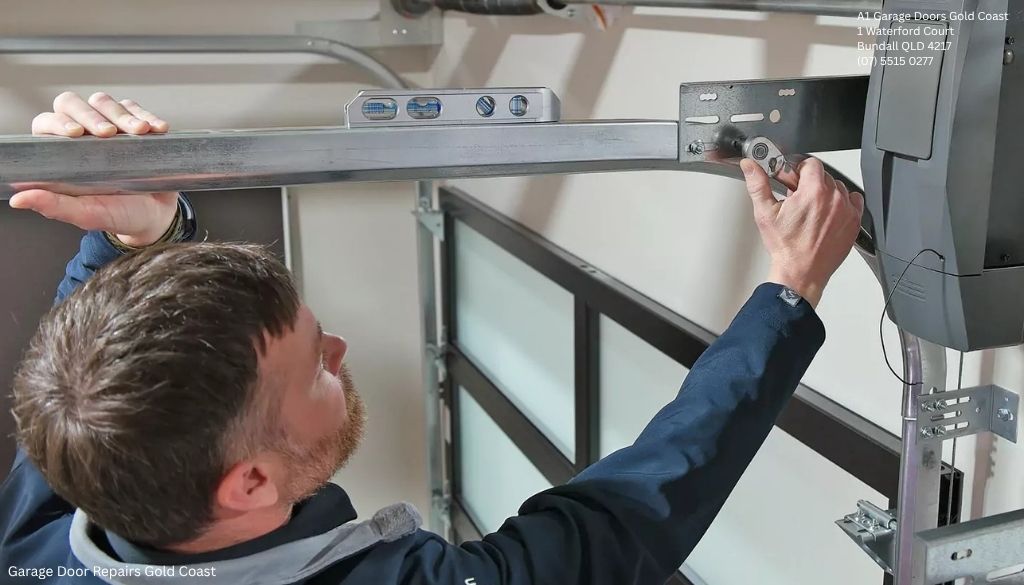
Belt drive is not fragile. Good designs are trustworthy and strong sufficient for lots of household doors, including bigger protected designs. The greater upfront price is usually justified by the quieter operation alone. In homes where one person leaves very early and one more sleeps light, this difference matters more than the pamphlet makes it seem.
Screw drive and straight drive considerations
Screw-drive systems have fewer relocating components in some designs and can do well in the ideal climate and application, though they are much less dominant than they when were. Direct-drive or comparable specialized systems can be impressively silent and easy. The difficulty is not that these misbehave choices, but that solution schedule and installer familiarity can vary by region.
That issues. An excellent opener ends up being less eye-catching if neighborhood specialists seldom stock parts or service that platform. When property owners ask me what brand or drive type to trust, I always factor in who will maintain it 5 years from now.
Horsepower issues, yet not the means most individuals think
People often tend to look for electric motor toughness the way they shop for vehicles, bigger audios much safer. There is some fact there, yet only as much as a point. In property setups, several opener issues are not resolved by purchasing more motor. They are solved by having the proper spring tension, a correctly well balanced door, and an opener rated for the real load.
For most basic domestic doors, a high quality opener in the usual domestic power array will handle the work conveniently. Much heavier insulated steel doors, one-piece doors, oversized doors, or solid wood doors typically benefit from tipping up. The added lifting margin lowers stress and assists the opener kept up less stress over time.
Commercial applications are one more classification totally. A rolling steel service door on a busy filling area might cycle lots of times a day. A studio apartment structure might have one usual garage entry made use of continuously during peak hours. In those instances, the discussion changes from simple training pressure to obligation cycle, thermal limitations, and driver class. That is where commercial garage door repair commonly begins, with an operator that was never suggested for the quantity of use it sees.
The functional rule is straightforward: acquire sufficient opener for the door you have, not the door you want you had, and not the marketing duplicate in front of you.
Noise is not a deluxe issue
Many buyers treat peaceful operation like a costs add-on. In actual usage, it can be a quality-of-life issue.
A loud opener transfers more than sound. It can send resonance via framing, rattle loose equipment, and make the whole system really feel extreme. In connected homes, that means bedrooms, hallways, and home offices pick up the activity. In mixed-use buildings, it may impact lessees or staff. In some little industrial setups, a piercing driver near customer-facing locations produces an affordable perception even if the door functions fine.
That stated, noise issues are not always the opener's fault. Steel rollers on used tracks, loose angle iron, dry hinges, and bad door equilibrium can make a silent opener audio harsh. When a customer says, "I desire the quietest model you have," I usually ask a follow-up question: "Do you desire a quieter opener, or a quieter door system?" Those are not constantly the same purchase.
Safety attributes are not optional
Every modern-day opener should include photo-eye safety sensing units and an auto-reverse system that reacts properly when the door meets resistance. Those are standard requirements, not premium functions. If you are changing an older device, this alone may justify the upgrade.
Beyond the basics, there are safety and security information worth taking notice of. Rolling-code remotes decrease the opportunity of code burglary. Battery back-up can be beneficial in outage-prone areas, especially if the garage is a main entrance factor. Motion-activated lighting enhances presence. Hand-operated launch layout matters more than individuals anticipate, especially for senior customers or any person that might need to run the door throughout a power failure.
For families with youngsters, or residential or commercial properties where several individuals reoccur, trustworthy sensing unit placement issues. I have actually seen several hassle service calls that become a little bumped sensing units, spider internet on lenses, or sunlight glow. Much better systems usually handle these problems much more consistently, yet correct setup still makes the difference.
If a door reverses unpredictably, slams shut, or hesitates while shutting, quit using it until it is checked. That is no time to think. A garage door opener is tied straight to among the largest relocating objects on the property.
Smart functions, valuable when they resolve a genuine problem
Smart connection can be truly handy. It can additionally be overlooked after the first week.
The best clever attributes are the practical ones: remote open and close, activity alerts, scheduling, visitor access, and confirmation that the door is really shut when you are miles away. For family members with teenagers, caretakers, solution suppliers, or regular bundle shipments, these tools can add real ease and accountability.
Still, wise capability must not eclipse mechanical high quality. A reputable opener with moderate connection is a better investment than a showy app controlling an underbuilt machine. I have met plenty of proprietors that loved the phone notifications however disliked the fact that the device itself struggled in winter or required repeated service.
Think about how the residential property is used. A villa benefits from remote standing checks. A storehouse manager might value access logs. A homeowner that never makes use of applications might be much better served by a tough wall station, reputable remotes, and battery backup.
Residential needs are different from industrial needs
A private home usually requires quiet procedure, reputable safety sensing units, excellent lights, and enough raising pressure for the particular door. A commercial residential property commonly requires endurance, much faster cycles, stronger control systems, and parts developed for repeated everyday use.
This seems evident, yet it is among one of the most typical mismatches in the area. Light-duty hardware gets mounted on doors that ought to have commercial-grade operators. After that the owner is stunned when downtime starts early. Industrial garage door repair is frequently extra costly not due to the fact that the parts are fancy, but since the risks are greater. A stopped working operator can postpone deliveries, block lorry gain access to, disrupt staffing, or develop a security issue after hours.
On the domestic side, I usually see the opposite problem. Homeowners purchase even more complexity than they need. They wind up with a system that has actually advanced controls and commercial-style branding, yet no useful advantage over a premium domestic model.
If the building includes multiple bays, tenant gain access to, fleet lorries, or frequent everyday cycles, ask specifically concerning driver duty ranking and maintenance expectations. Those are much better forecasters of long-lasting worth than advertising language.
Installation quality impacts life expectancy greater than numerous purchasers realize
A great opener installed badly will not carry out like an excellent opener for long. Rail placement, header assistance, sensing unit positioning, travel limits, pressure settings, and door balance all issue. So does the condition of the existing door.
This is where expert garage door installation makes its value. A competent installer looks past the box. They check the spring system, check rollers and joints, confirm back-hang assistance, established traveling correctly, and examination reversal feedback. They also understand when to stop and claim, "The opener is not the major issue right here."
That judgment matters. For instance, if a door is heavy due to the fact that the springtimes are tired, changing the opener alone might just mask the real issue. The brand-new unit may work at initially, after that wear prematurely. In those circumstances, Garage door spring substitute may be the a lot more urgent action, occasionally before opener replacement, occasionally at the very same visit.
The same uses throughout household garage door repair. If the service tech concentrates only on the sign, such as a remote not responding or an electric motor humming, they may miss the worn torsion spring, torn cable television, or failing logic board behind it. Good solution is analysis, not simply reactive.
A quick method to narrow your options
If you are choosing in between several opener versions, these five questions generally bring the appropriate answer right into focus:
Is the garage connected to living space where noise matters? How heavy and just how big is the door? How several open-close cycles occur on a common day? Do you want remote surveillance, battery back-up, or both? Is neighborhood solution readily available for this brand and model?That last factor obtains forgotten. Accessibility of components, remotes, and local knowledge can form possession prices greater than the acquisition rate does.
When repair work makes even more sense than replacement
Not every opener issue needs a brand-new device. If the opener is fairly modern and the problem is isolated, repair can be the smarter path. Typical repair service items include worn equipments, negative sensors, harmed remotes, removed sprockets, reasoning board problems, and travel-setting issues. In most cases, garage door repair recovers smooth procedure without replacing the full system.
But there is a line. If the opener is older, lacks contemporary safety functions, struggles with parts accessibility, or has a history of intermittent failing, replacement usually makes more sense. The exact same goes with systems that have been compensating for door inequality for many years. You may deal with one problem only to discover another.
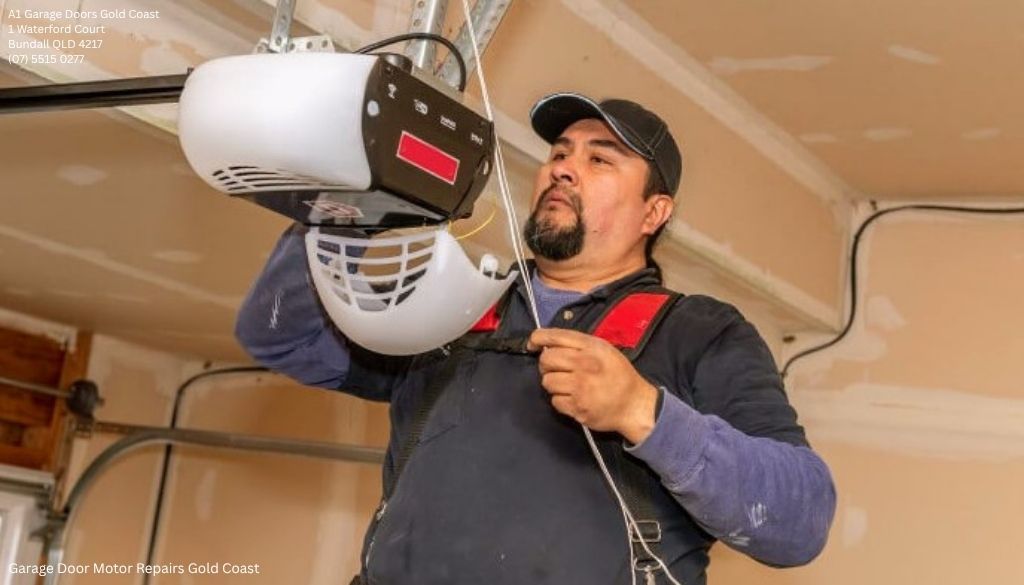
For house owners, the best debate for substitute is frequently integrity plus safety and security. For services, it is usually uptime. A service call every few months becomes expensive also if each individual repair appears manageable.
Signs your current arrangement is mismatched
A dissimilar opener does not constantly stop working considerably. Often it informs on itself in smaller methods initially. It appears stretched, runs warm, opens slower gradually, trembles the rail, or requires constant pressure changes. In a business setting, you may observe raised waiting time at a bay or more resets after high-traffic periods.
Watch for these patterns:
- the opener raises the door, but sounds labored every time the door equilibrium feels poor when operated manually the unit needs duplicated adjustments to limits or force remotes and wall surface controls function inconsistently without a clear power issue service calls keep dealing with symptoms while the core arrangement never feels right
When those indications stack up, it is worth reviewing the full system rather than changing parts one by one.
Budgeting for worth, not just price
Opener pricing varies by drive type, feature collection, electric motor capability, and setup intricacy. The least expensive choice is rarely the least costly in time. Sound issues, repeat service, early wear, and inadequate compatibility can remove preliminary financial savings quickly.
A more useful means to budget plan is to believe in layers. First, the opener itself. Second, specialist installment. Third, any associated job needed to sustain the opener appropriately, such as new brackets, sensor electrical wiring, reinforcement shows off, or Garage door spring substitute. 4th, the lasting cost of upkeep and solution availability.
For property owners, the pleasant area is normally a well-built residential opener from a functional brand, set up correctly, with adequate power for the door and just the functions that will in fact be used. For industrial buildings, it deserves buying obligation score and driver top quality early. The expense of disruption is typically far more than the expense difference in between light-duty and properly ranked equipment.
The opener need to fit the structure's rhythm
This professional fix garage door is the component product descriptions seldom catch. Buildings have rhythms. A family members with school runs, late-night arrivals, and bed rooms over the garage has one rhythm. A professional's workshop with early departures and frequent accessibility has one more. A retail stockroom, an apartment parking lot, and a circulation bay each location various demands on the same fundamental technology.
The best garage door opener is the one that matches that rhythm without promoting itself. It opens when asked, shuts securely, runs within its limits, and does not include friction to day-to-day life.
That is why the ideal option occasionally looks modest theoretically. A quiet belt-drive unit in a home might exceed an apparently stronger yet noisier different just due to the fact that it suits the room much better. An industrial operator with fewer ease attributes might be the better investment because it is built to endure consistent usage. Option is not about chasing after the leading version. It has to do with checking out the building correctly.
Where expert assistance pays off
If you are uncertain, have the door examined prior to selecting. A reliable specialist or installer can tell you whether the current concern indicate opener failure, balance problems, spring fatigue, or general equipment wear. That is particularly vital if you are already taking care of domestic garage door repair, persisting service telephone calls, or an approaching garage door installation.
An excellent suggestion ought to appear specific. It should make up door size, material, use, constructing design, and sound concerns. It must likewise discuss any supporting repair services needed, including Garage door spring substitute if the springs are near the end of their solution life.
That level of information is what divides a real fit from a generic sale.
Choosing a garage door opener is not made complex when you stop treating it like a gizmo purchase. It becomes part of a mechanical system, and it needs to be picked like one. Suit the opener to the door, the building, and the way the space is made use of. Make room in the allocate proper setup. Support reliability over feature creep. And if the present configuration has much deeper mechanical problems, address those before expecting a new opener to do all the work.
Get those choices right, and the opener fades into the history, which is precisely where the very best devices belongs.