Choosing a garage door opener seems straightforward up until you stand in the aisle, compare 2 nearly similar boxes, and recognize one choice impacts noise, maintenance, price, and everyday convenience for several years. A lot of house owners end up evaluating two familiar alternatives: belt drive and chain drive. Both can lift a garage door dependably. Both prevail. Both can be the appropriate selection. The difference remains in just how they behave once they are installed and asked to execute day after day.
I have actually seen people concentrate excessive on horsepower and not nearly enough on just how the opener actually fits the home. A household with bedrooms above the garage notices sound immediately. A detached workshop owner usually cares more concerning rugged worth than hush. A building manager with a number of devices frequently desires the easiest solution path and the lowest long-lasting annoyance factor. There is no universal winner. There is just the opener that matches the door, the structure, and the way the room is used.
If you are comparing alternatives prior to a garage door installation, replacing a loud operator, or sorting out a persisting Garage door repair problem, it assists to understand what adjustments when the drive system changes. That is where the real choice lives.
The fundamental difference, minus the sales pitch
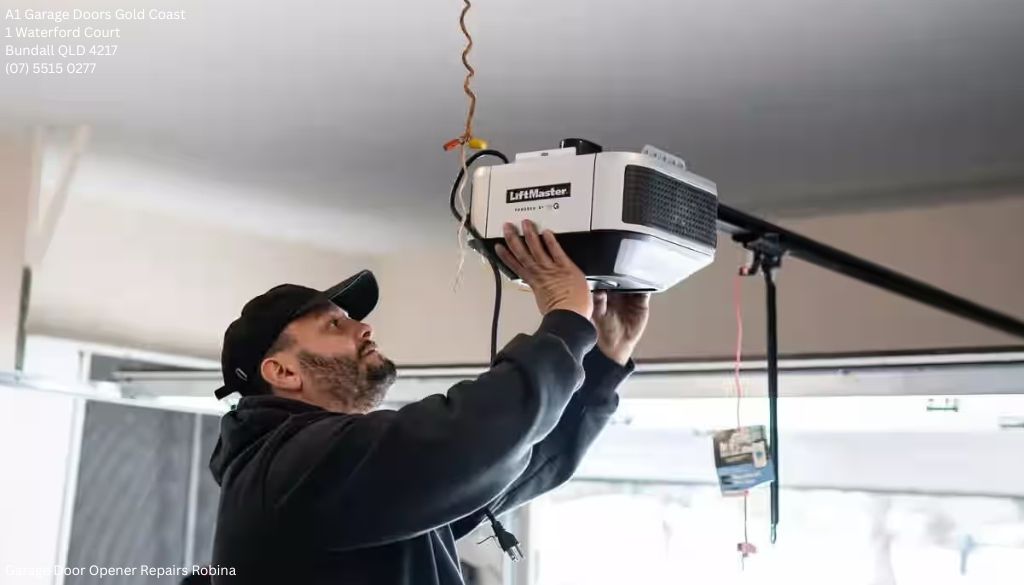
A chain drive garage door opener utilizes a metal chain, similar in concept to a bike chain, to relocate the cart that opens up and shuts the door. A belt drive opener utilizes a reinforced belt, typically made from rubber, polyurethane, or one more long lasting artificial product, often with steel or fiberglass cables inside for strength.
The electric motor and rail system can look comparable from a range. The door still travels up and down on the right track. The opener still places to the ceiling and links to the door arm. But the feel is various. A chain drive has even more mechanical sound and resonance. A belt drive runs smoother and quieter. That distinction is not marketing fluff. It is apparent in the area, especially in attached garages.
People typically ask whether belt drives are in some way weaker because they utilize a belt as opposed to metal. Years back, that concern had more weight. Modern belts are much more sturdy than lots of homeowners expect. On a properly balanced property door, a top quality belt drive opener is greater than capable. The opener is guiding movement, not brute-forcing a difficult lots. If a garage door feels exceedingly hefty, the issue typically exists in other places, often in used hardware or a requirement for Garage door spring substitute, not in the drive kind itself.
Why the door matters as high as the opener
A typical blunder is dealing with the opener like the main source of raising power. In a healthy system, the springs do a lot of the heavy work. The opener regulates the activity. That is why a misdiagnosed opener issue can turn into duplicated callbacks. If the door runs out balance, also a costly new driver will struggle.
I have seen homeowners change an opener because the old unit seemed stretched, sluggish, or inconsistent. After installment, the new one acted only slightly better due to the fact that the genuine problem was spring fatigue. When the springtimes no more balance out the weight correctly, Go to the website every component functions harder. That can lead to more sound, premature equipment wear, jerky traveling, and safety and security concerns. It likewise transforms the belt drive versus chain drive conversation, because a stretched door makes a chain opener audio harsher and might reduce the life of any type of operator.
Before contrasting attributes, make sure the door itself remains in good shape. Tracks ought to be straightened, rollers ought to roll instead of grind, hinges must not hang, and the springs must be appropriately sized and working. Whether you are planning a brand-new garage door opener or scheduling household garage door repair, this step matters.
Where belt drive openers stand out
The best case for belt drive is convenience. If your garage is connected to your home, especially under a bedroom, nursery, workplace, or living area, quieter operation changes the day-to-day experience more than lots of people expect.
With a belt drive, the startup is softer, the traveling sound is lower, and the vibration transmitted via framework is decreased. That last point gets forgotten. Some homeowners think they just hear the opener itself, however a lot of the aggravation comes from resonance resembling with joists, drywall, and nearby areas. A smoother drive minimizes that effect.
Belt drive systems likewise often tend to feel more polished overall. The door movement can be less rattly, particularly when paired with top quality nylon rollers and a well-tuned track system. That matters to homeowners who use the garage as a front door alternative and cycle it a number of times a day.
These are the scenarios where belt drive normally makes its greater price:
The garage is affixed to the house and audio matters. There is living space directly above or close to the garage. The door is made use of regularly, frequently a number of times per day. You desire lower regular upkeep and less chain-related adjustment. You value smoother operation greater than the most affordable upfront cost.That does not suggest belt drives are maintenance-free. Nothing on a garage door system is. But they normally require much less hassle than chain systems when it involves tension-related noise and lubrication routines. For many homes, that means less tiny nuisances over time.
Where chain drive still makes sense
Chain drive openers have actually stayed prominent forever reasons. They are normally much more cost effective, commonly readily available, acquainted to technicians, and confirmed over years of service. In separated garages, barns, workshops, and energy rooms where sound is not a major problem, chain drive can be the practical pick.
There is additionally a strength factor that interest many purchasers. Whether totally justified or partly mental, people depend on metal. A chain system looks heavy duty, and in rough-use settings that matters. If you have an easy steel sectional door on a detached garage and you generally want trustworthy function at a reasonable expense, a chain drive is difficult to dismiss.
In solution job, I commonly see chain drive operators in older homes where owners are much less curious about premium features and more interested in keeping the door functioning without investing extra for hush. If the garage is divided from the living space, that logic is audio. The driver may be noisier, yet the noise does not affect any person trying to rest or work.
Chain drives can additionally be a comfortable choice for purchasers that prefer uncomplicated utility. Numerous service technicians have actually worked with them thoroughly, substitute components are common, and their operating habits recognizes. That can matter in markets where homeowners desire simple, trustworthy equipment instead of an extra feature-rich unit.
Noise is not simply noise
When people state they desire a silent opener, they sometimes indicate various things. One house owner hates the metal rattle at startup. One more is bothered by the hum that resonates through the ceiling. One more notifications just the final clunk when the door seats at the flooring. Belt and chain drives impact all of those audios, yet not equally.
A chain drive generally produces more mechanical chatter along the rail. If the chain tension is off, that sound becomes worse. Include dry rollers or a slightly loose track bracket and the whole system begins to appear more busy than it should. A belt drive removes much of that chatter, so the remaining sounds come from the door equipment itself. That is why a belt drive can still be louder than anticipated if the remainder of the door is neglected.
This issues throughout Garage door repair calls. Homeowners in some cases request for a quieter opener when what they truly require is a tune-up, roller substitute, or springtime change. The opener kind transforms the character of the audio, yet it can not mask underlying wear forever.
Strength, weight, and the myth of the "a lot more effective" chain
The concept that chain drive equals stamina and belt drive equals convenience is just partly true. The far better method to think of it is viability. A well-made belt drive opener can deal with a typical double door with no difficulty if the springtimes are right and the door is well balanced. The opener is not intended to deadlift the complete door weight every cycle.
For larger customized wood doors, extra-large shielded doors, carriage-style doors, or doors with high-cycle needs, the discussion must expand past chain versus belt. You may need to think about the opener's motor layout, rail top quality, start-stop control, and real lifting capacity. Sometimes, a jackshaft driver or a commercial-grade system is the much better fit.
That is specifically true in commercial garage door repair contexts. A warehouse bay door, gas station door, or often cycled multi-tenant gain access to factor has needs that vary dramatically from a suburban two-car garage. In those setups, day-to-day cycle matter, downtime price, and service access might outweigh basic sound factors to consider. Chain drive stays common in commercial applications for a factor, but the right operator is a lot more concerning responsibility ranking than just drive style.
Cost currently versus cost later
Upfront, belt drive openers normally cost more than equivalent chain drive models. The precise difference depends on brand, motor kind, rail size, connection functions, battery backup, lighting, and regional labor prices. In lots of markets, the devices difference alone is obvious however not extreme. It is rarely the sort of void that should drive the entire choice unless the budget is extremely tight.
The more important concern is what type of worth you appreciate. If spending a bit extra obtains you years of quieter procedure in a room adjacent to your youngster's bedroom, that premium typically feels justified quickly. If the garage rests fifty feet from your house, the costs might acquire little meaningful benefit.
There is likewise an upkeep angle. Chain drive units can serve for several years, yet they might need a lot more routine focus to keep noise and slack controlled. That is not a significant burden, yet it becomes part of the equation. Belt drives are usually cleaner and calmer in normal usage. In time, numerous homeowners appreciate that distinction greater than they expected.
Installation top quality modifications everything
A sub-par setup can make either opener frustrating. A good installer checks door equilibrium, rail placement, header assistance, travel settings, force setups, safety turnaround, and the link between opener and door. They also focus on resonance factors, hanging bands, and how the device rests about the ceiling framing.
I have actually listened to new openers blamed for troubles triggered by bad placing. If the assistance equipment is flimsy or the rail is a little misaligned, noise boosts. If travel restrictions are established inadequately, the door knocks or reverses. If the opener is connected to a door with worn hinges or worn out rollers, the system never ever sounds best. That is why garage door installation and opener replacement ought to be approached as system work, not box-swapping.
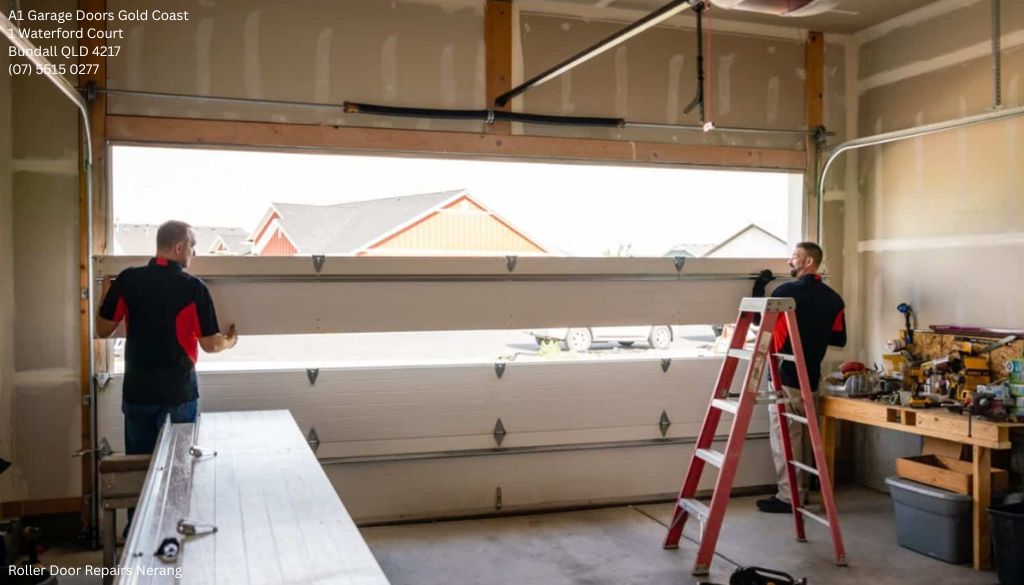
This is also where expert judgment matters. A service technician that notices cracked hinges, extended springs, or a frayed cable needs to claim so. Replacing only the opener may not suffice. Sometimes a larger solution visit makes more feeling, including Garage door spring substitute or various other rehabilitative job prior to the brand-new operator is placed under load.
Smart functions are nice, yet they are not the main decision
Many modern-day garage door opener versions, whether belt or chain, included Wi-Fi connection, smart device control, battery back-up, LED lighting, and soft-start motors. These attributes can be useful. Remote tracking assists if you take a trip usually or have family members reoccuring on staggered routines. Battery backup is beneficial in outage-prone areas. Motion-sensing lights can make a dark garage safer.
Still, these functions ought to not sidetrack from the drive selection that suits the space. I have satisfied homeowners who got a feature-packed chain drive for an affixed garage and regretted the noise within a week. I have additionally fulfilled people who spent for a premium belt drive in a detached shed and never ever observed the distinction since the structure was too away for noise to matter.
Start with the atmosphere, after that layer on features.
Maintenance assumptions for both types
No opener should be treated as a set-it-and-forget-it machine. The bright side is that standard care is not complicated. What matters is consistency and knowing which signs and symptoms require a professional.
Watch for these warning signs prior to they turn into a larger repair work:
The door starts relocating unevenly or is reluctant partway. New grinding, rattling, or slapping noises appear. The opener stress, hums, or reverses unexpectedly. The chain looks loose, or the belt shows wear or fraying. The door feels abnormally heavy throughout hands-on operation.The manual operation check is especially disclosing. With the opener disengaged, a correctly well balanced door ought to lift with moderate initiative and stay near mid-travel instead of crashing down or shooting upward. If it does not, ask for service. That is typically where household garage door repair protects against bigger failure.
Do not try to improvise spring job. Springs shop significant energy, and Garage door spring replacement is not a casual do it yourself job. The same opts for wires under tension. Home owners can safely take care of light cleansing, aesthetic checks, and occasionally roller lubrication if the producer enables it, yet high-tension elements are worthy of expert handling.
Matching the opener to the home
The best selection usually comes to be apparent once you picture daily usage clearly.
For a townhome with a room over the garage, belt drive is typically the easy referral. The added quiet is not a deluxe there, it is lifestyle. For a detached garage behind your home, chain drive regularly wins on worth. For a property owner that leaves early, returns late, and cycles the door numerous times around resting children, belt drive gains its maintain. For a rental home where reputable feature and practical expense issue most, chain drive may be the far better financial fit.
Climate and usage patterns can form the choice also. In colder regions, garage door systems are already under even more seasonal stress and anxiety due to the fact that lubricating substances enlarge, weather seals tense, and doors might stick after freeze-thaw cycles. In those homes, smooth procedure ends up being a lot more important, though the door's condition still matters more than the drive kind alone.
If the garage works as an office, sound issues differently. A chain drive in a workshop might be completely acceptable if the proprietor worths budget plan and ruggedness. But if recordings, remote meetings, or concentrated bench job take place because space, belt drive might still be worth it also in a detached building.
When substitute is smarter than repair
Homeowners commonly ask whether to repair the existing opener or change it with a different drive type. The answer relies on age, problem, and what you dislike about the existing unit.
If the opener is reasonably new and the issue is separated, a repair might be flawlessly practical. If it is older, noisy deliberately, and missing security or benefit attributes you now desire, replacement typically makes even more sense. This is especially real when repeated solution calls begin to accumulate. Eventually, you are paying to protect an experience you do not enjoy.
The larger concern is whether the inconvenience originates from the opener layout or the door system around it. A chain drive that has become noisier in time may need modification, new rollers, or springtime service, not replacement. A belt drive that all of a sudden sounds rough might have a door problem upstream. Good medical diagnosis prevents wasted money.
For commercial setups, the mathematics changes. Downtime can set you back more than the equipment itself. In commercial garage door repair, replacement decisions usually boil down to reliability, components accessibility, and exactly how promptly solution can be finished without interfering with procedures. Belt versus chain is just one part of that discussion.
So which one needs to you pick?
If you want the quickest truthful response, below it is. Select belt drive if the garage is attached, noise matters, and you want the smoother daily experience. Pick chain drive if the garage is removed, budget plan matters extra, and added noise will not impact your household.
That simple answer covers most homes, yet the best choices still come from checking out the entire system. A silent opener on a badly well balanced door will let down. A chain drive on a properly maintained removed garage can be an exceptional value. A belt drive in a busy family members home typically turns into one of those upgrades people appreciate every day without thinking about it.
Whether you are preparing a fresh garage door installation, changing an aging garage door opener, or booking Garage door repair after years of wear, take a minute to assume past the box cost. Take into consideration where the garage rests, how typically the door actions, who hears it, and whether the remainder of the equipment is genuinely healthy and balanced. That is exactly how you choose an opener that feels right not just on mount day, however every early morning after.